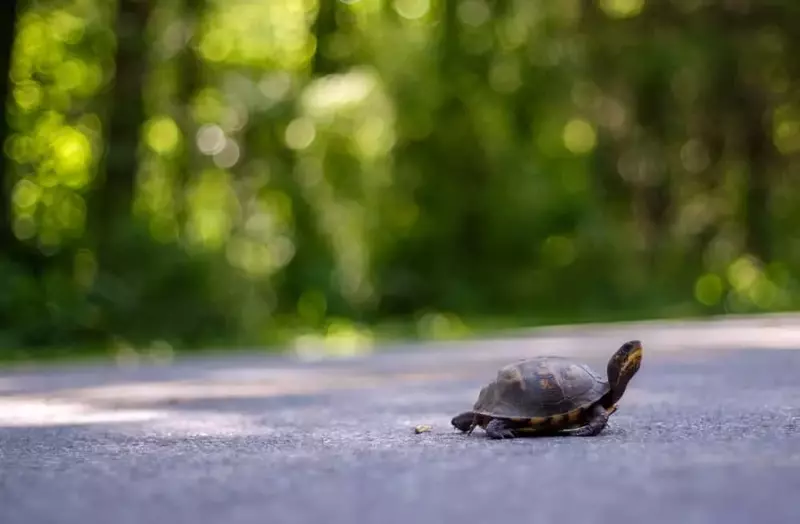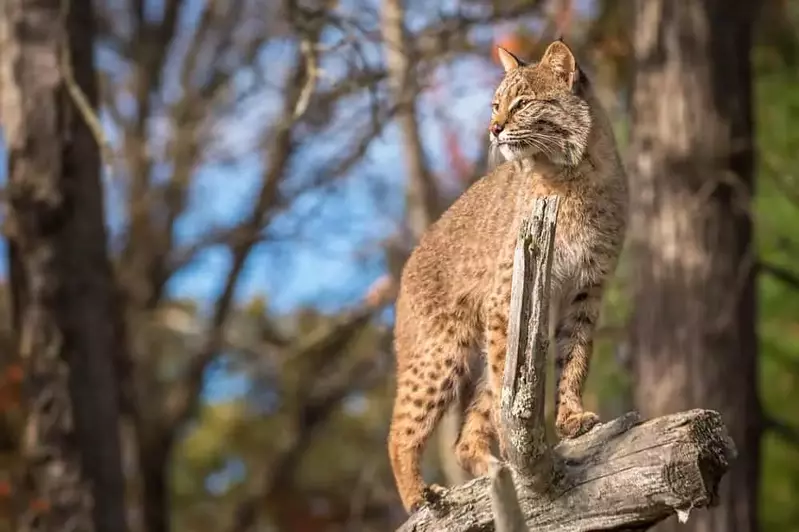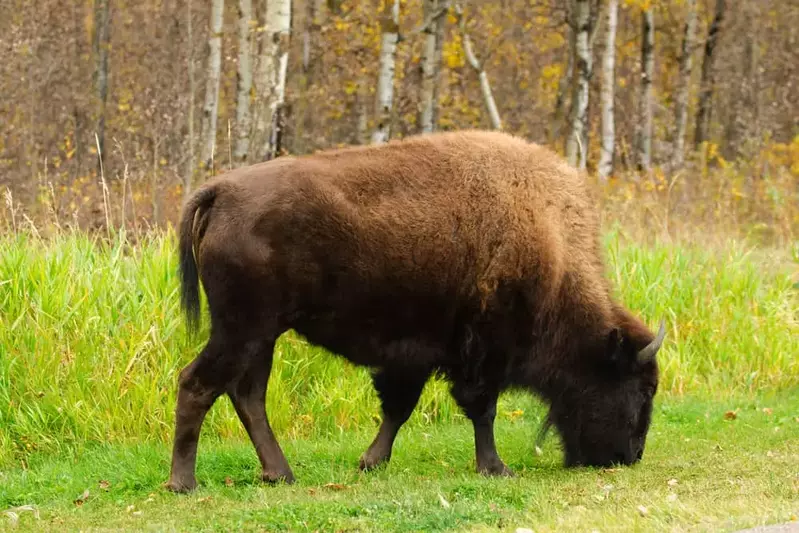
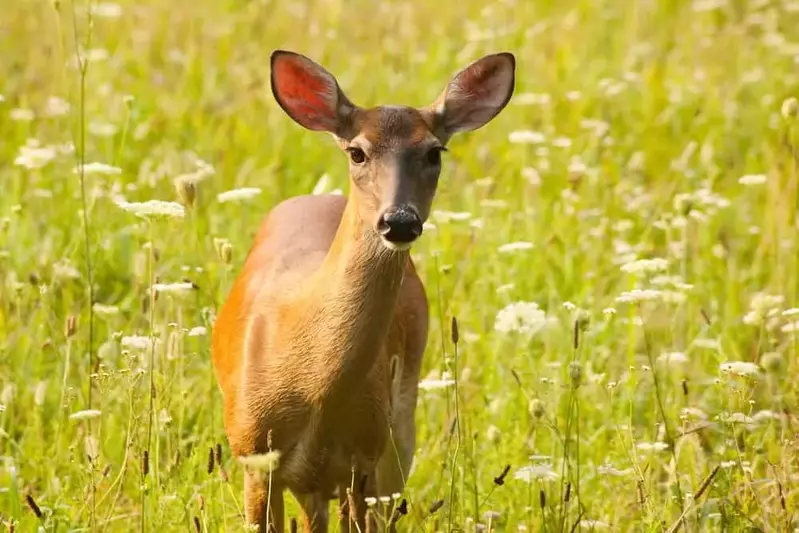
Great Smoky Mountains National Park is well known for its population of up to nearly 2,000 black bears, which translates to about 2 bears per square mile! One of the other popular residents that call the park home is the white tailed deer, which you can often spot in open grassy areas like Cades Cove and Cataloochee Valley. You might even stumble across them while enjoying a drive through the Smokies or hiking along one of the many trails in the park! Here is everything you need to know about these beautiful animals in the Smoky Mountains:
Best Places and Times to See Deer
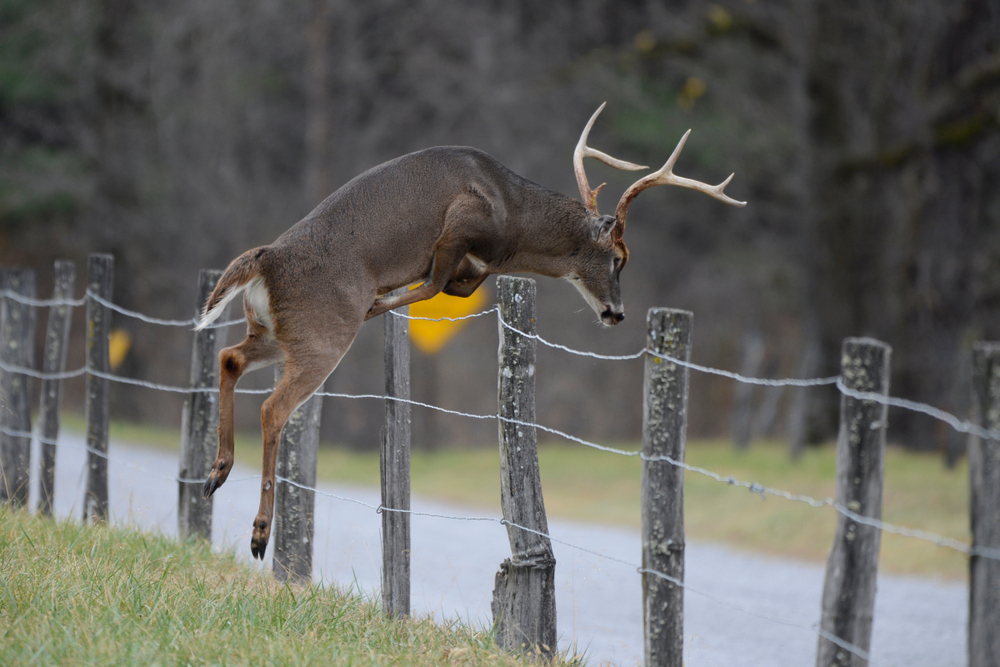
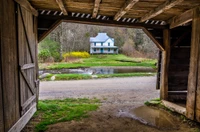
You’ll have the best odds of seeing white tailed deer in any open meadows or fields, especially in the Cades Cove area! Consider taking a drive on Cades Cove Loop Road, a 11-mile one-way scenic drive that not only features some excellent wildlife viewing opportunities, but also preserved historical structures such as old log cabins, barns, and a working grist mill.
The best times of day to look for deer are from dawn to about 10 AM, as they are actively grazing in open areas before the heat of the day. They typically re-emerge from the woods to feed from about 4 PM to dusk.
Feeding Habits
The feeding habits of white tailed deer change with the season, and since they are herbivores, they will eat practically any plant available! During the spring and summer, they eat tender green plants, fresh grasses, and broad-leafed weeds, while they switch to hard mast like acorns in the autumn. During the winter, when cold weather and snow limit the green growth, the deer shift to browsing on woody twigs, tree buds, and the bark of hardwood and pine trees.
Behavior and Biology
White tailed deer have an incredible sense of smell and hearing, and their side-placed eyes allow them to see a 310-degree field of vision. You may notice that when a deer is startled or senses danger, they lift their tail to flash the white underside. This is a way of warning other deer in the herd that they should be aware of potential danger!
Antler Growth Cycle for Male Deer
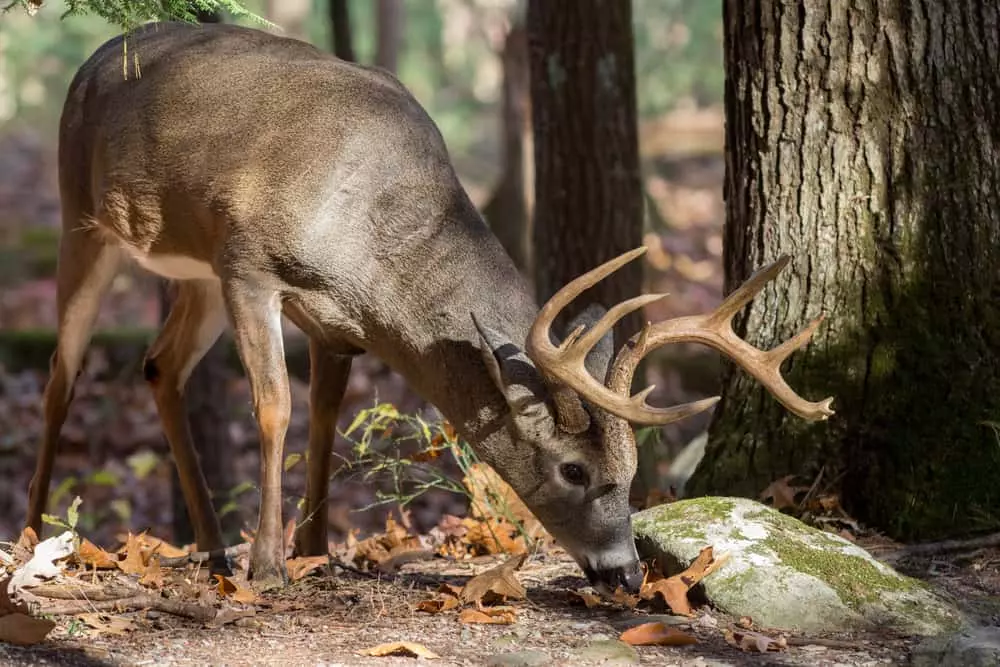
Male white tailed deer in the Smoky Mountains grow and shed a new set of antlers every year in an annual cycle driven by daylight and hormones! In the spring months, increased daylight causes testosterone and hormone changes that start new growth from permanent skull bumps called pedicles. The antlers grow rapidly in the summer months as living bone, covered in a soft tissue called velvet that supplies oxygen and nutrients.
During the fall, falling testosterone levels cause the blood flow to stop, and bucks rub the dry velvet off on tree trunks. Finally, in the winter (after mating season), a drop in testosterone causes the base of the antlers to demineralize from the skull and the bucks drop their heavy racks!
**Wildlife Viewing in Great Smoky Mountains National Park
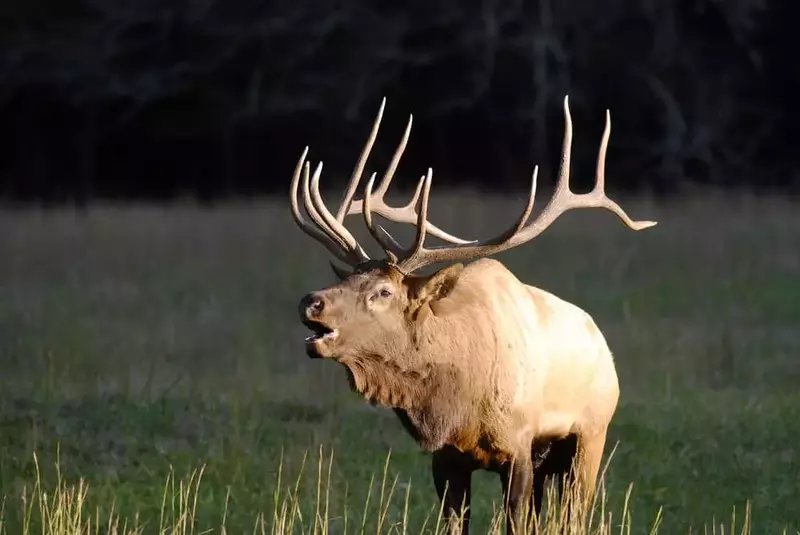
White tailed deer are just some of the many animals in the Smoky Mountains that you may encounter during your visit! You may also see black bears, elk, chipmunks, squirrels, and bats, as well as a wide variety of bird species. To improve your odds of spotting some of these amazing animals, check out these insider tips for viewing Smoky Mountain wildlife!